When you need a typeface that blends modern elegance with classic handwriting flow, the Stylish Font delivers a reliable solution for both print and screen projects. It offers clean strokes, balanced spacing, and a natural rhythm that reads well at various sizes. Whether you are designing wedding stationery, crafting custom logos, or adding finishing touches to digital banners, this script typeface helps you maintain a polished look without overwhelming your layout.
How does this script improve brand and invitation design?
Calligraphy typefaces require a steady baseline and consistent letter spacing to look professional. This typeface handles both by keeping ascenders and descenders proportionate. If you run a boutique shop or manage event planning, you can use it for monograms, watermarks, and custom tags. The smooth curves work well on fabric tags for print-on-demand products, while the elegant weight makes it a strong choice for business cards that need a personal touch. Pairing it with minimalist borders keeps the design cohesive.
You can also experiment with ligatures and alternate swashes to break up repetitive words in longer invitations. Combining it with a simpler display typeface like a balanced vintage script establishes a clear visual hierarchy. For heavier emphasis on packaging, mixing it with a bolder hand-lettered option like a sturdy display font keeps your layout grounded.
What makes PUA encoding useful for everyday creators?
Many designers skip technical font features until they hit a workflow roadblock. The private use area encoding included here removes that guesswork. Instead of switching between different character maps, you can pull alternate letters directly from your design program. This saves time when adjusting specific letterforms or swapping standard tails for decorative flourishes. The feature works consistently across major applications like Illustrator and Cricut Design Space.
Activating these hidden characters gives your templates a custom feel. Small business owners who reuse header files for weekly posts can rotate through alternates to keep layouts fresh. If you prefer exploring traditional brush strokes, you might test a delicate calligraphy alternative to compare brush weights. For daily planning sheets, a clean handwriting companion can carry body text while this script handles titles.
How do you pair this typeface without crowding the design?
The key to working with graceful scripts lies in generous white space. Start by setting the script element larger than your supporting text, then adjust tracking until the letters breathe. Avoid placing multiple decorative fonts in one composition. Let the script serve as the focal point while using geometric typefaces for subheadings. You can find reliable pairings by reviewing curated sets like a structured modern script for comparison.
For web graphics, render letters at high resolution and export as transparent PNGs. On mobile, reduce swash complexity so text remains readable. If you want to study how letterforms behave, checking typography standards helps clarify best practices. You can learn more about Stylish Calligraphy and similar display options to refine your choices.
What should you check before sending files to print?
Print workflows require specific preparations. Always outline text or embed the font before sending artwork to vendors. This prevents missing characters and ensures swashes render correctly. Test a single proof to verify that thin strokes hold up on your chosen paper. Coated stock usually handles fine script details better than matte sheets.
Quick setup checklist:
- Create a separate text layer for each word to prevent overlapping glyphs.
- Enable the PUA panel, then swap standard endings for decorative alternates.
- Pair the script with a plain sans serif to maintain readability.
- Export web graphics as 2x PNG files to preserve crisp edges on high-density screens.
- Run a test print on your actual stock before ordering bulk quantities.
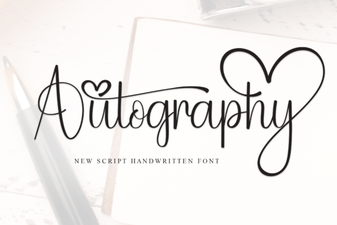 Autography Font: Elegant Handwritten Typography
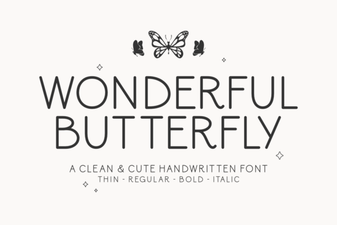 Wonderful Butterfly Font: Elegant Design Inspiration
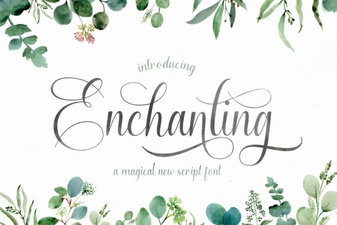 Enchanting Script Font for Elegant Design Projects
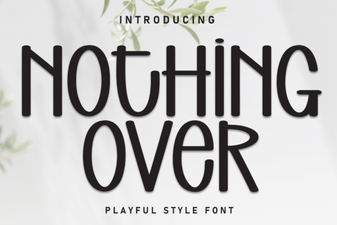 Nothing Font Guide: Design, Usability, and Projects
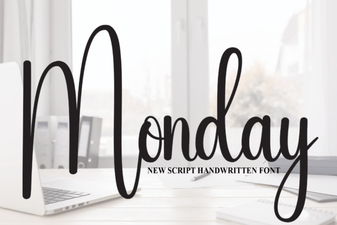 Monday Font: Clean Design, Usability & Creative Projects
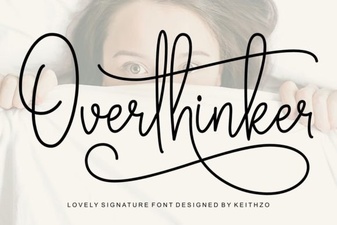 Overthinker Font: Creative Typography & Project Ideas