Finding a reliable handwriting style that reads clearly while keeping a polished look can take time. The Overthinker Font solves that problem by balancing delicate curves with steady letterforms. Designers and crafters often use it to add a personal signature feel to wedding invitations, custom logos, and packaging labels. Instead of tracing vector paths by hand, this digital typeface gives you immediate access to professional-quality swashes. If you work in print-on-demand or run a small creative shop, it saves hours of manual tweaking while keeping your layout consistent.
How does a flowing signature style perform across different projects?
Many professionals avoid script typefaces because they look messy at smaller sizes. This option keeps the stroke weight consistent and the spacing predictable. When placed in a branding kit or social template, the letters maintain their elegance without losing readability. It works well for boutique labels and handmade tags. The natural rhythm of the connecting lines mimics real pen strokes, which helps your audience focus on your core message. If you are testing handwriting styles for a client board, you might compare how a hand-drawn brush script handles similar spacing rules. Each style carries a different mood, and viewing them together makes it easier to match your brand voice.
Why does PUA encoding matter for everyday designers and hobbyists?
One feature that often confuses beginners is the PUA setting. It maps special characters like flourishes and alternate letterforms directly to standard keyboard shortcuts. You do not need a separate character map or extra plugins. Understanding how these settings interact with popular design software makes your daily workflow much smoother. When you know exactly which keys trigger which alternates, you can maintain a steady creative flow without breaking focus to search through menus. Once you master those quick-access swashes, you can adjust tracking and baselines without losing the handcrafted feel. Many sellers also pair this look with a modern all-caps display to build visual contrast on retail tags. When your poster needs a stronger anchor, a bolder script option can balance the layout while keeping the aesthetic clean.
What typefaces pair best with delicate lettering?
Script designs perform best next to quiet, structured companions. Clean sans serif options let the flowing lines stand out. Avoid stacking multiple decorative styles in the same text block, and keep your paragraph copy straightforward so the signature headers remain the focal point. Always test combinations at actual print size, since what looks sharp on a screen can blur on textured cardstock or heat-transfer vinyl. For layouts that need a stronger hierarchy, placing a heavy weight option behind your main text creates subtle depth. If you are designing seasonal banners, a versatile display choice often handles secondary quotes better than a thin handwritten style.
Before committing to a final layout, review the commercial usage terms for your specific industry. Some licenses restrict trademarking standalone files or limit digital resale. You can check the latest details for the Overthinker Font to ensure your project stays compliant. Reading the creator notes also helps you decide which file format will integrate smoothly with your software.
What should you verify before sending your artwork to a printer?
Follow this short checklist to prevent common typography errors and keep your files production-ready:
- Keep text editable until the layout is completely approved, then convert only the final version to outlines.
- View at 100% zoom to confirm that swashes do not overlap critical text or extend past your safe margins.
- Print a physical proof on your exact stock material, since ink absorption and fabric weave alter fine stroke thickness.
- Limit script usage to headlines and short labels so the delicate curves do not strain the reader at small sizes.
- Archive a standard version alongside your swash files in case your printer system struggles with advanced glyphs.
Start by placing a short headline on your canvas and applying the alternate characters one at a time. Track which swashes improve balance and which add unnecessary clutter. Once your spacing feels natural, export a quick proof and check how the curves render at your final output size. This simple review process prevents costly reprints and keeps your shop portfolio looking consistent.
Get Started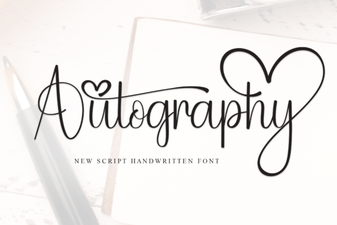 Autography Font: Elegant Handwritten Typography
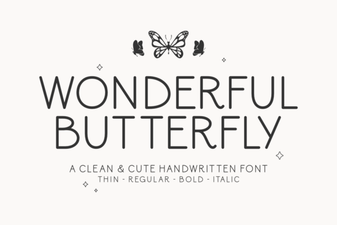 Wonderful Butterfly Font: Elegant Design Inspiration
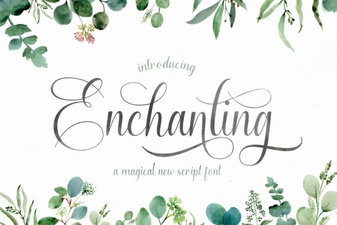 Enchanting Script Font for Elegant Design Projects
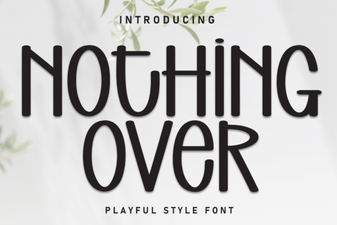 Nothing Font Guide: Design, Usability, and Projects
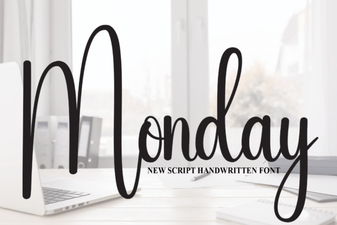 Monday Font: Clean Design, Usability & Creative Projects
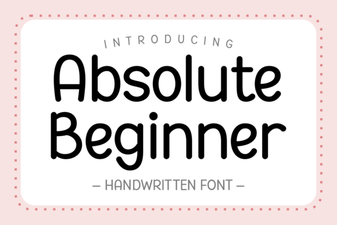 Absolute Beginner Font: Effortless Typography for Design