If you are looking for a reliable typeface that brings classic varsity energy to your latest project, Mascot College Font delivers exactly what team gear creators and small shop owners need. This bold display typeface combines heavy block structures with traditional slab-serif details, making it highly readable even when scaled down. Whether you run a print-on-demand store, cut custom decals for a local sports league, or design collegiate merchandise for Etsy, this tool gives your layouts an instant athletic authority without feeling outdated or cluttered.
How does the heavy block structure handle vinyl cutting and digital printing?
The main advantage of working with athletic typography lies in how cleanly the vector paths translate to physical materials. Because this design relies on thick, consistent stems and sharp corners, it cuts smoothly through adhesive vinyl without the jagged edges that often ruin intricate lettering. Crafters using machines like Cricut or Silhouette will notice the software processes the outlines quickly, saving time during batch production. The clean geometry also works exceptionally well with sublimation and direct-to-garment printing. When ink hits polyester or cotton blends, the solid shapes hold their weight, preventing thin areas from washing out after multiple laundry cycles. If you frequently work with layered heat transfers, keeping your base shapes solid and uncluttered ensures the final product stays crisp and legible from across a room.
When should you pair this slab serif with contrasting typefaces?
Pairing a strong headline typeface with a supporting companion improves visual hierarchy and keeps your compositions balanced. The blocky nature of college-inspired lettering works best when you let it carry the main message while secondary elements step into the background. For instance, if you are designing a university reunion banner, you might compare it against older athletic typography to create a layered nostalgia effect. When building merch for family-friendly events or youth leagues, try balancing the heavy blocks with approachable sans serif choices to soften the overall tone. If your layout requires a casual accent line or a handwritten signature block, you can introduce handwritten accent lines that bridge the gap between structured sports graphics and approachable community messaging. You can also switch to quirky decorative styles for seasonal tournament posters where humor and energy matter more than traditional branding. Always browse the complete collection layout to see how different weights scale before committing to a final print file.
What software settings produce the cleanest results for team logos?
Getting consistent output across different platforms usually comes down to adjusting path tolerance and smoothing values. In vector programs, expand the text to outlines before applying heavy effects. This prevents rendering issues when you share files with print vendors or upload them to merchandise platforms. If your software offers a boolean union tool, merge overlapping shapes to eliminate unnecessary anchor points. Cleaner paths reduce processing time and lower the risk of printing errors. When working with raster-based mockup generators, always export at 300 DPI with transparent backgrounds. This ensures the dark, heavy character shapes maintain their contrast against fabric textures and digital store previews.
How can you maintain sharp readability on curved surfaces and small tags?
- Avoid extreme kerning adjustments on tightly packed wordmarks, as heavy slabs can collide and blur during the printing process.
- Test negative spacing only when the letters have wide, open counters that naturally breathe on their own.
- Use a subtle stroke or offset shadow when placing dark text on dark fabric, but keep the effect minimal to preserve that authentic athletic look.
- Always print a physical proof on your actual garment weight before running full production batches.
Building a reliable template library around this typeface saves hours of revision time. Save layered files with separate color channels for screen printing, keep your vector masters organized with clear naming conventions, and archive every client mockup for quick reference. When you need to verify licensing terms or browse additional collegiate typography assets, checking the Mascot College Font reference listing helps you stay updated on commercial usage rules. Consistency in your file management translates directly to faster turnaround times and higher customer satisfaction.
Your next steps before publishing a new team merchandise line
- Open your design file at 100% zoom and check every letter connection for trapped white space.
- Convert all text to curves, then run a preflight check to flag missing outlines or unsupported effects.
- Generate a grayscale mockup first. If the contrast holds up without color, it will survive fabric fading and low-ink settings.
- Save your working files with clear version numbers and back them up to a secondary drive before sending them to print.
- Place a single test order through your POD provider to verify color matching and cut precision on your chosen material.
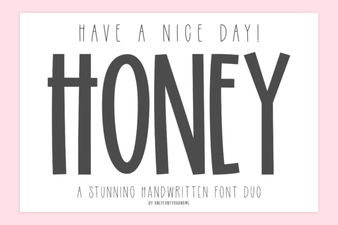 Have a Nice Day Honey Font Design Inspiration
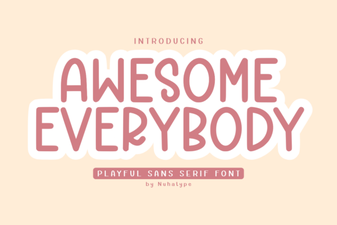 Awesome Everybody Font: Design Tips and Project Ideas
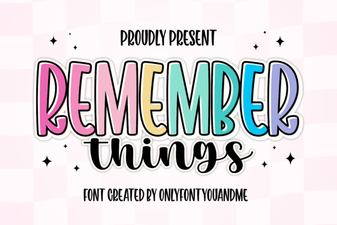 Creative Design Ideas Using Remember Things Font
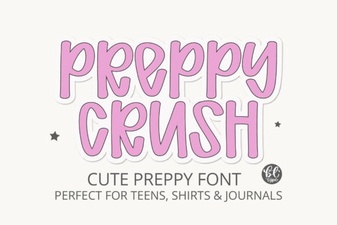 Preppycrush Font: Design Tips & Creative Project Ideas
 How to Use a Stacked Chunky Font in Modern Design
 Cowboy Block Font Inspiration for Western Designs