How does this typeface work for rustic branding?
Many small shop owners and craft sellers struggle to find lettering that feels authentic without looking cartoonish. This font uses a condensed weight and clean vintage geometry that solves that problem. The heavy strokes hold up well across different scales, whether you are printing a small spice jar label or scaling up to a workshop sign. Because it avoids thin hairlines, it remains legible on rough textures like kraft paper, weathered wood, and cotton fabric.
When building a visual identity, pair it with simple sans serifs for body text. If you want to explore similar retro styles, our curated collection of modern vintage typefaces shows how different eras blend into cohesive brand kits. The goal is to keep your supporting information sharp while letting the headline carry the thematic weight.
What makes a Western display font stand out in print?
Structure and contrast drive the answer. Traditional frontier typography relies on heavy slabs and slight decorative wedges, which gives this font its immediate visual impact. That shape works especially well for vintage event flyers, music posters, and product packaging where quick recognition matters.
For print-on-demand creators working with tees and totes, letter spacing directly affects production quality. The built-in condensation allows longer phrases to fit on curved surfaces. Adding subtle texture overlays keeps the design grounded and prevents a flat, digital appearance. Always test how the letters interact with your background color before finalizing the file.
How should you use it for labels, merch, and shop signs?
Treat this typeface as your headline voice only. Reserve it for brand names, short event titles, or seasonal tags. Switch to a highly readable secondary font for details like dates, ingredients, or pricing. This simple hierarchy keeps your layout clean and ensures the rugged aesthetic does not overwhelm the information.
- Apparel graphics: Center-align the text, add a thin stroke for contrast on dark fabrics, and keep generous margins.
- Retail signage: The narrow proportions fit wooden boards and metal brackets easily. Always test a small proof first to check street-level legibility.
- Product labels: Wrap the text around circular frames, then place simpler typography in the center for batch numbers or ingredients.
If you are testing layout techniques, our guide to bold stacked typography options explains how layering adds depth. You can also review playful outline styles when balancing a heavy Western subhead.
What steps should you take before sending files to print?
Always verify spacing, contrast, and export settings before finalizing your artwork. Display typefaces perform best when they are prepared correctly and checked against real-world constraints.
- Convert text to outlines to preserve exact letter shapes.
- Check tight kerning pairs where block serifs might accidentally overlap.
- Preview in grayscale to confirm the weight stands out without color reliance.
- Export at 300 DPI for physical prints and 72–150 DPI for web previews.
For licensing details and commercial usage guidelines, you can check the Cowboy Block Font search page. Keep your license documentation organized, especially when preparing files for client handoffs or marketplace uploads. Designers often pair this style with hand-drawn vintage options for softer retro layouts, or use rounded casual typefaces to balance a rugged headline with approachable body text.
Final checklist before publishing
- Install the files and open a test document at your exact output dimensions.
- Type your headline in all caps and adjust tracking slightly to improve airflow.
- Add supporting text 2–3 sizes smaller and align to a clear grid.
- Apply color or texture adjustments, then print a physical proof.
- Review the proof under natural light, make minor spacing tweaks, and export.
Small adjustments to spacing and background contrast often make the difference between a flat mockup and a layout ready for real-world shelves.
Get Started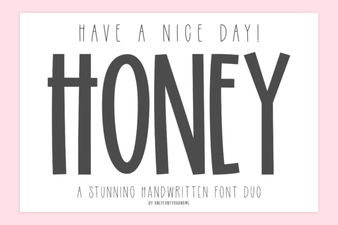 Have a Nice Day Honey Font Design Inspiration
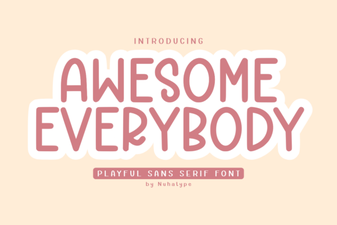 Awesome Everybody Font: Design Tips and Project Ideas
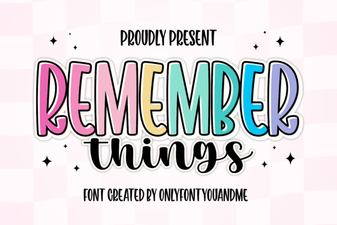 Creative Design Ideas Using Remember Things Font
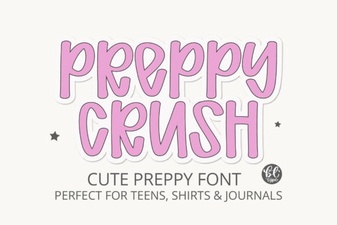 Preppycrush Font: Design Tips & Creative Project Ideas
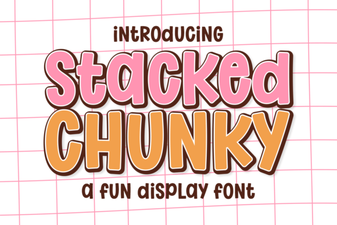 How to Use a Stacked Chunky Font in Modern Design
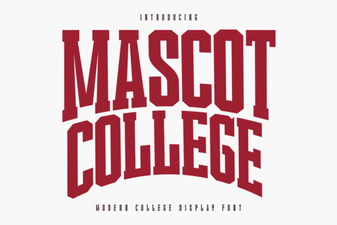 Elevate Your Designs with Mascot College Font