When you need a typeface that instantly communicates warmth and approachability, Kidpop Font steps in as a reliable choice. This display typeface uses soft, inflated letterforms that borrow heavily from classic cartoon aesthetics, making it a natural fit for any project that targets younger audiences or wants to capture a lighthearted mood. Designers, crafters, and small shop owners frequently reach for it when standard serif or sans-serif options feel too stiff for their current creative brief.
What projects actually work well with a bubble display typeface?
The most straightforward answer is that anything requiring immediate visual cheer tends to succeed. You will see it shine on children’s book covers, classroom posters, and toy packaging where bright, welcoming lettering matters most. Makers and print-on-demand sellers regularly apply it to t-shirt graphics, nursery wall decals, and sticker sheets because the smooth edges cut cleanly on vinyl and print sharply on cotton blends. If you operate a weekend market booth or a small bakery, placing it on chalkboard signs and menu boards helps customers recognize your brand as friendly and accessible.
How do the thick, rounded strokes impact legibility?
Many bubbly typefaces sacrifice readability for style, but this one balances volume with clear character spacing. The consistent stroke width prevents letters from merging when scaled down, which means you can comfortably use it for short headlines without worrying about visual clutter. Because each glyph maintains a generous counter space, the eye moves smoothly across the phrase. This trait proves especially useful for social media graphics where viewers scroll rapidly. Keep your text blocks short, stick to four to six words per line, and let the natural weight of the letters carry the message.
Which companion typefaces create a balanced layout?
A playful display face rarely stands alone in professional compositions. Pairing it with a neutral sans-serif for body copy prevents the overall design from feeling overwhelming. If you enjoy experimenting with similar rounded aesthetics, you might also explore alternative bubble styles that lean slightly more geometric, or try retro-inspired lettering for nostalgic poster designs. When your project calls for casual handwritten energy, script-based options can sit nicely alongside Kidpop for event invitation headers. Always maintain a clear visual hierarchy by keeping the primary display font large and the supporting text strictly functional.
For creators who want to browse more display categories, the marketplace offers a wide selection of inflated lettering variations that share similar spacing traits. You can also review the original Kidpop Font to check available file formats and licensing terms before launching a commercial campaign.
Should I use it for merchandise or physical print files?
Yes, but you will need to adjust your production workflow slightly. The full-bodied characters render best when you avoid ultra-thin background layers or low-contrast color pairings. If you are preparing artwork for direct-to-garment printing or screen printing, increase the path thickness by roughly three percent to compensate for standard ink spread. For digital cut files used in die-cut stickers or heat transfer vinyl, simplify your vector nodes and check for overlapping curves before sending the design to your plotter. A quick test print on your actual material will save you both time and wasted inventory.
- Set your line height: Keep a 1.4 to 1.6 ratio so the rounded tops and bottoms do not collide.
- Limit your color palette: Use two or three high-contrast shades to maintain clear visual separation across the design.
- Convert before exporting: Always outline your text before handing files to commercial printers.
- Preview at actual size: Check your layout at one hundred percent scale to catch spacing issues early.
Before finalizing your next project, open your design software and type a short headline. Drop a solid color behind the letters, adjust the tracking by a few units, and compare it against a plain background. This quick test reveals exactly how the typeface handles negative space and helps you decide whether it aligns with your current branding needs.
Explore Design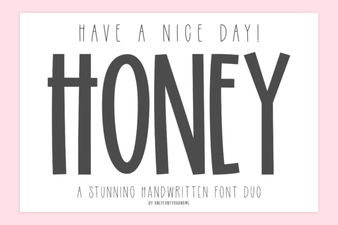 Have a Nice Day Honey Font Design Inspiration
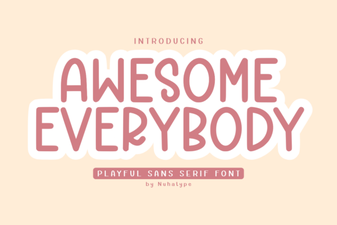 Awesome Everybody Font: Design Tips and Project Ideas
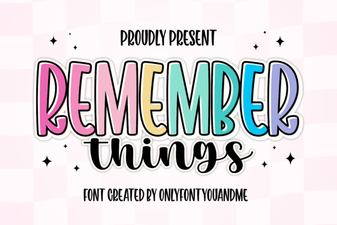 Creative Design Ideas Using Remember Things Font
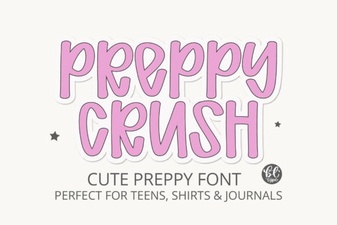 Preppycrush Font: Design Tips & Creative Project Ideas
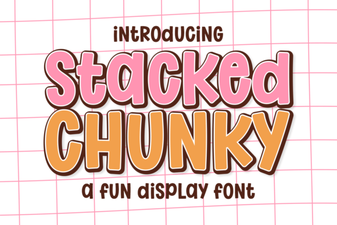 How to Use a Stacked Chunky Font in Modern Design
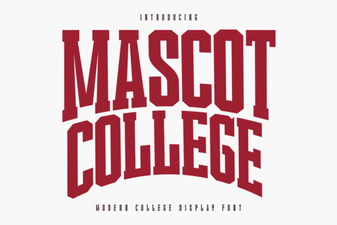 Elevate Your Designs with Mascot College Font