When you need a typeface that grabs attention without feeling heavy, Super Bubble Font offers a rounded, modern alternative to standard bold displays. It sits right in the middle of playful and professional, which makes it a reliable choice for crafters, print-on-demand sellers, and independent designers who want clean lines that scale well on both screens and physical products. You can find the official type package here: Super Bubble Font.
What types of projects work best with rounded display typography?
Because the strokes are thick and the curves are consistent, this font holds up well when scaled down for small packaging labels or blown up for large event posters. Many makers use it for vinyl cutting machines because the closed shapes reduce tedious weeding time, while brand identity designers often choose it to soften corporate logos. If you are building a catalog of stacked lettering layouts that need extra visual weight, you can easily experiment with chunky display styles to see how spacing affects your final mockup. The rounded terminals also keep text readable on social media thumbnails, where quick scrolling demands instant recognition.
How do you pair bubble lettering with other typefaces without creating visual clutter?
The biggest mistake beginners make is matching heavy headlines with equally thick body copy. To keep your layout balanced, use a light sans serif or a clean monospace font for supporting paragraphs. You can also mix in hand-drawn script styles for accent words, as long as they share a similar x-height. If you are exploring friendly signature typefaces, look for ones with open counters to contrast against the dense curves. Testing these combinations on a simple business card or sticker sheet will quickly show you which pairing feels most cohesive for your specific audience.
Can I safely use rounded headlines for commercial branding?
Yes, display fonts with clear, uniform shapes are commonly licensed for commercial use across print-on-demand stores and small business marketing. Before finalizing a logo, always verify the license terms and keep your project files organized. Many apparel sellers print these headings because the bold strokes survive screen printing and heat transfer methods without breaking apart. If you need more playful options for seasonal merchandise, browsing through themed decorative lettering can give you extra layout ideas while you wait for trademark clearance on your primary mark.
Where should I test the typography before committing to a final design?
Always preview your text at multiple sizes and on different background colors. What looks balanced on a white canvas might lose contrast on a dark t-shirt or a busy YouTube banner. Print a small proof at home or use a digital mockup generator to check how the curves render at 12pt, 36pt, and 96pt. Designers often overlook how ink spread affects rounded letters, so checking a physical sample is essential. While testing, compare your layout against modern commercial typefaces to ensure your visual hierarchy remains clear and the main message stands out first.
What file formats do I actually need for different workflows?
Most designers only need OTF and TTF files, which work in nearly every design application, Cricut software, and word processor. OTF typically handles OpenType features better, while TTF is widely supported across older operating systems. Keep your master folder backed up in two separate locations so you do not lose access when client deadlines approach. If your project requires additional geometric weight, reviewing structured slab displays can help you understand how different file types behave inside vector editors. Once your files are installed, always restart your design program to prevent rendering glitches.
Before sending your final artwork to print or publishing it online, run through this quick quality check to avoid common typography mistakes:
- Zoom out to twenty percent to verify that the headline does not overpower the supporting text.
- Test the letter spacing by increasing tracking slightly to prevent rounded letters from touching.
- Check contrast ratios using a free online accessibility tool to ensure readability on mobile devices.
- Convert text to outlines only after saving a fully editable master file.
- Print a small grayscale sample to confirm the bold strokes hold up under real ink conditions.
Taking five minutes to verify these details will save you from costly revisions and ensure your projects look polished from the first draft to the final delivery.
Try It Free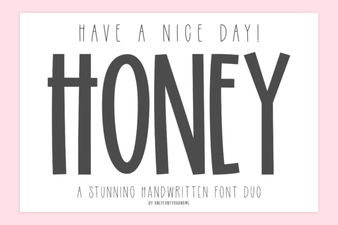 Have a Nice Day Honey Font Design Inspiration
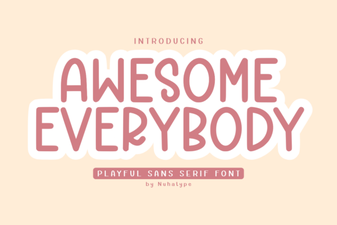 Awesome Everybody Font: Design Tips and Project Ideas
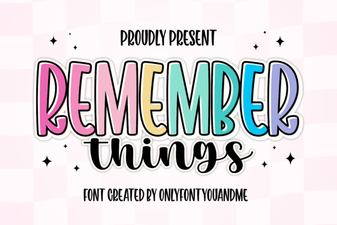 Creative Design Ideas Using Remember Things Font
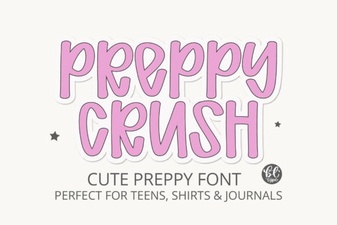 Preppycrush Font: Design Tips & Creative Project Ideas
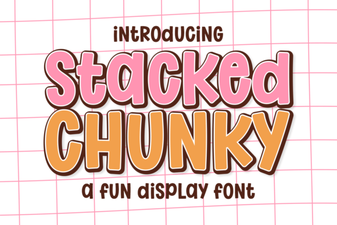 How to Use a Stacked Chunky Font in Modern Design
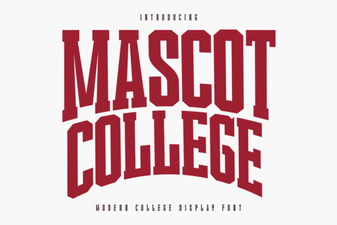 Elevate Your Designs with Mascot College Font