Finding a script typeface that feels both polished and genuinely personal can take time, especially when you need typography that connects with readers on an emotional level. The Quincy Font solves this by blending modern calligraphy letterforms with a smooth, handwritten rhythm. Whether you are designing wedding stationery, crafting social media graphics, or building a brand identity for a boutique shop, this typeface delivers a refined yet approachable look. The subtle curves and balanced spacing mean your text stays readable without losing that delicate, feminine touch that clients often request.
What makes this particular script style stand out from other handwriting options is how it handles everyday punctuation and details. Instead of standard dots, the lowercase “i” and “j” feature tiny heart-shaped accents. This small design choice adds warmth to quotes, greeting cards, and logo marks without making the typeface feel overly decorative. When browsing through modern handwriting options, many creators save the Quincy font script files for projects that require a gentle, romantic tone. It works best when you let the natural flow of the letters breathe across your canvas, giving your layouts a hand-crafted appearance.
Why do wedding designers prefer modern calligraphy for stationery?
Bridal designers and stationery makers often look for typography that feels intimate but still prints cleanly at various sizes. Calligraphy script fonts naturally mimic the sweeping motion of a pen, which makes them ideal for invitations, place cards, and menu designs. When you pair this style with clean sans-serif or simple serif body text, the result feels balanced and professional. If you want to explore how similar typefaces handle spacing and swashes, you might compare this approach with the Autography font script options to see how different stroke weights affect layout harmony.
How does the bonus display font complement creative layouts?
Alongside the elegant script, the package includes Playtoon, a bold cartoon-style display typeface that brings a completely different energy to your files. While the main font leans romantic and graceful, Playtoon uses exaggerated shapes and lively proportions to create playful titles. This contrast makes it surprisingly useful for children’s storybooks, educational worksheets, comic headers, or fun merchandise. Small business owners selling kids’ apparel, party decorations, or printable learning tools will find it pairs well with simpler body fonts. For more playful alternatives, the Wonderful Butterfly font script collection offers another creative direction if your project requires softer decorative elements.
What should creators know about licensing and file formats?
Before adding any new typeface to your commercial workflow, it helps to understand how the files integrate into your design software. Standard packages usually include OTF and TTF files, which work smoothly in Procreate, Illustrator, Canva, and Adobe programs. Always verify whether your commercial projects fall under personal, commercial, or extended licenses, especially if you plan to sell physical goods or digital templates. Checking how the Nothing Over font bundle handles similar licensing structures can help you avoid unexpected restrictions. If you are new to typography licensing, the Quincy Font documentation provides a useful reference for understanding commercial usage rules.
Which pairing techniques keep script text readable on print products?
Calligraphy typefaces tend to shine when they are not crowded by heavy graphics or competing fonts. Print-on-demand sellers should test their designs at actual size before uploading mockups, since thin strokes can disappear on dark fabrics or low-resolution printers. Consider using the script only for short headings or single-word accents, then switch to a sturdy sans-serif for descriptions and details. The Smithson font alternatives demonstrate how pairing contrasting styles maintains visual hierarchy without overwhelming the viewer. When working on social posts or digital ads, increase tracking slightly if the letters feel too tight on smaller screens.
Quick checklist before finalizing your typography choice
- Open your design file and test the typeface at both 14pt and 72pt to check readability.
- Run a test print on the exact paper or material you plan to use for production.
- Confirm your license covers commercial products, digital templates, or client work.
- Pair the script with a neutral sans-serif to avoid visual clutter in long paragraphs.
- Check how the heart accents render on different backgrounds before exporting.
Try loading the Quincy and Playtoon files side by side in your software, adjust line spacing by 10 percent, and create a quick mockup. Once the typography sits comfortably in the layout, you will know it is ready for client review or shop upload.
Explore Design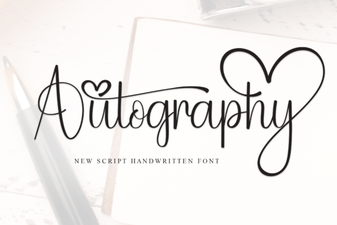 Autography Font: Elegant Handwritten Typography
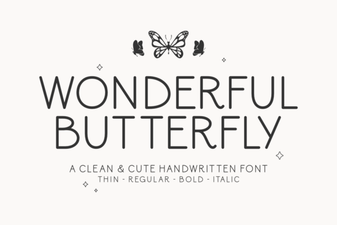 Wonderful Butterfly Font: Elegant Design Inspiration
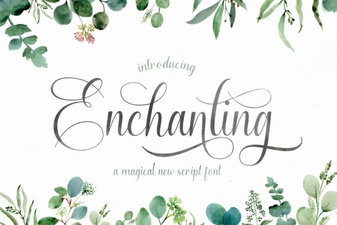 Enchanting Script Font for Elegant Design Projects
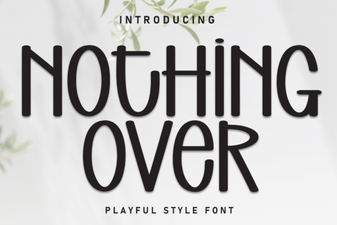 Nothing Font Guide: Design, Usability, and Projects
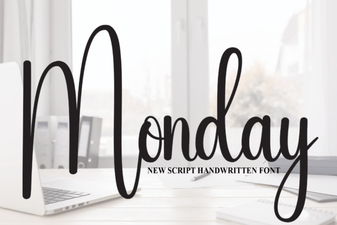 Monday Font: Clean Design, Usability & Creative Projects
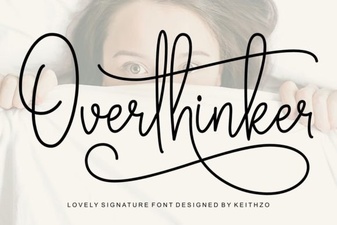 Overthinker Font: Creative Typography & Project Ideas