If you work with handmade-style typography, finding a script that feels authentic without sacrificing readability can take hours of trial and error. The Absolute Beginner Font solves that problem by offering a clean handwritten style that keeps its casual warmth while staying structured enough for professional layouts. It strikes a careful balance between playful energy and modern minimalism, which means it sits comfortably on both a cozy coffee mug and a crisp business card. Designers and small shop owners often look for this exact combination when building visual identities that feel personal rather than corporate.
How does a handwritten typeface fit modern branding?
Many business owners worry that script styles will make their logos or packaging look too informal. This typeface avoids that trap by using consistent stroke weights and clear character shapes. When you apply it to product labels or corporate identity cards, the letters remain easy to scan while still standing out from standard sans-serif options. You can pair it with a simple geometric font to create contrast without visual clutter. If you want to explore how other script families handle this balance, browsing through the Smithson script collection might give you ideas for complementary styles.
Where can I use this font for print and digital projects?
The versatility comes from its natural flow and clean baseline alignment. It works well for greeting cards, quote posters, and editorial layouts where you need the text to feel human but still organized. Print-on-demand sellers often apply it to apparel, tote bags, and ceramic items because the curves hold up well even when scaled for embroidery or heat press transfers. For digital use, the same clarity carries over to social media graphics, web banners, and online store headers. When searching for something with a slightly heavier presence, checking the thick script variations can help you compare stroke density for specific layouts.
Does it work for non-English languages and international audiences?
Global reach matters for any creative business, especially when your customers span multiple regions. This font includes extended multilingual support, which means accented characters, diacritics, and special punctuation render correctly across different languages. You can design cohesive packaging or promotional campaigns in Spanish, French, German, and several other European languages without switching typefaces mid-project. That consistency saves time and keeps your visual identity tight. If you are building a broader language toolkit, looking at Overthinker style alternatives might help you understand how different scripts handle multilingual character sets.
What makes it suitable for classrooms and hobby crafts?
Teachers and workshop instructors need materials that feel approachable. This handwritten style mimics the rhythm of actual penmanship, making it ideal for worksheets, classroom posters, and student project covers. The spacing is wide enough for young readers to track words without strain, while the gentle curves keep the overall tone friendly. Crafters and makers also appreciate how it looks on custom stickers, journal covers, and planner inserts. When you need something with a more decorative flair for seasonal projects, the enchanting script options can serve as a helpful reference point for holiday layouts.
How do I pair it with other design elements without cluttering the layout?
Keeping a clean workspace around the letters is the most reliable way to maintain readability. Start by leaving generous margins on posters and product tags. Use a light background or subtle texture that does not compete with the stroke thickness. When building color schemes, stick to two or three muted tones that complement the casual nature of the handwriting style. Many designers find success by using it exclusively for short headings, quotes, or product names while reserving a neutral sans-serif for body copy. You can also see how professional typographers structure similar layouts by reviewing the official Absolute Beginner Font preview page. For those seeking a more polished editorial look, comparing it against stylish script layouts often highlights the importance of negative space and line spacing.
What is the quickest way to prepare this typeface for commercial use?
Before exporting files for clients or print runs, follow these practical steps to ensure clean output across different media.
- Test kerning at your target size: Scale the text up and down by twenty percent to catch any awkward gaps between character pairs.
- Verify language support: Type a sample sentence using the specific accented letters your project requires to confirm proper glyph rendering.
- Export in the correct format: Use high-resolution PNG for digital mockups and vector-compatible formats like SVG or EPS when preparing artwork for large-format printing.
- Save your pairing combinations: Keep a reference folder with the exact sans-serif fonts you tested alongside this script so you can maintain brand consistency later.
Start by installing the files and typing out a few practice sentences in your preferred design software. Adjust the leading slightly if your layout feels too tight, and you will be ready to apply it to real projects within the hour.
Try It Free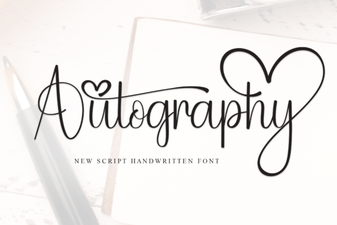 Autography Font: Elegant Handwritten Typography
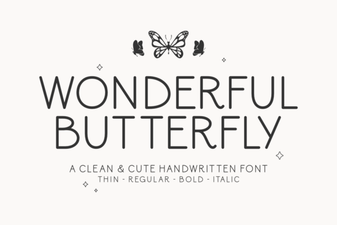 Wonderful Butterfly Font: Elegant Design Inspiration
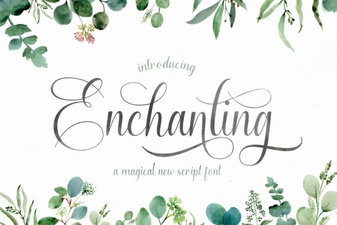 Enchanting Script Font for Elegant Design Projects
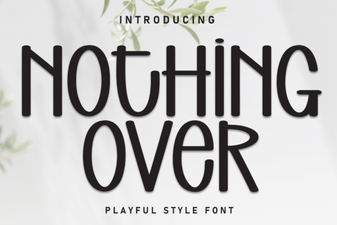 Nothing Font Guide: Design, Usability, and Projects
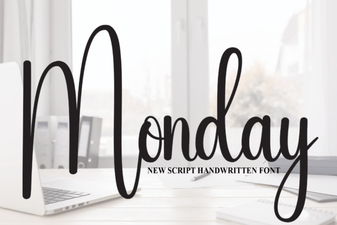 Monday Font: Clean Design, Usability & Creative Projects
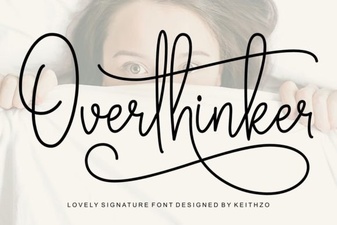 Overthinker Font: Creative Typography & Project Ideas