When you are working on branding materials or personal projects, finding a typeface that balances readability with a genuine handwritten feel can be tricky. That is where Thick Font steps in. It offers bold, expressive letterforms that work well across multiple mediums without losing clarity. Whether you are drafting a wedding invite, designing a product label, or adding a watermark to photography, this typeface gives your layouts a distinct, personal touch that customers respond well to.
How do bold script fonts improve everyday design projects?
Handwritten styles often feel either too delicate or overly stylized for commercial use. A heavier weight solves that problem by keeping text legible at smaller sizes while maintaining a crafted aesthetic. This makes it easier to apply on physical prints, digital banners, and social media graphics where quick readability matters. You can use it for logos, packaging, watermarks, or stationery without worrying about it disappearing into busy backgrounds. If you need secondary text, pairing it with a clean sans-serif creates a reliable visual hierarchy that guides the eye naturally.
What file formats and licensing terms should beginners verify?
Before installing any typeface, always check the included formats and usage rights. Most modern files come in OTF and TTF, which run smoothly across Adobe apps, Canva, Procreate, and standard word processors. Confirm whether the license covers personal, commercial, or extended print usage. Many creators use these assets for print-on-demand shops, Etsy listings, and small business branding. Reading the terms upfront prevents accidental misuse. If you are new to typography, exploring simpler script options like a clean, readable typeface for beginners can help you learn spacing rules before tackling heavier weights.
Where can I find complementary typefaces for layered layouts?
Layered compositions need a mix of bold display letters and supporting scripts. You can build cohesive sets by matching thick strokes with flowing curves or minimalist geometric shapes. Combining a heavy headline font with something like a delicate, romantic script adds contrast without overwhelming the design. Always print a sample sheet or preview at actual size to see how the letters interact. Spacing and baseline alignment often shift when switching between different weights, so test them in your actual layout before committing to a final version.
How do I prepare these files for print and web?
Digital and physical media require different export settings. For print, outline your text or keep the original vector files to prevent missing font errors when sending files to a vendor. Adjust tracking manually to stop letters from touching, especially since bold scripts take up more horizontal space. On screen, convert typography to PNG or SVG for social posts to preserve quality across platforms. When designing photography overlays, lowering opacity or adding a soft drop shadow improves readability against complex images. Many crafters also reference starter-friendly typography guides to streamline their export workflows.
What are common pairing mistakes with heavy handwritten fonts?
Designers often pair two heavy scripts together, which creates visual clutter. Instead, keep one bold display typeface and let everything else stay quiet. Avoid using thick lettering for long paragraphs, as it fatigues the eye quickly. If your layout already includes decorative borders, scale the typography back to one primary headline. Testing uppercase versus title case helps match your project tone. For layout inspiration, browsing collections like expressive, personality-driven scripts shows how varying weights impact visual hierarchy in real campaigns.
Which industries benefit most from bold, handwritten typography?
Brands that want to feel approachable or artisanal usually lean into this style. Bakeries, boutique studios, wedding planners, and handmade sellers rely on it for shelf appeal. It also works well for personal branding, coaching materials, and educational worksheets where warmth matters. Used consistently across cards, tags, and digital posts, a single typeface builds recognition without expensive ads. If you are expanding your library, checking nature-inspired decorative options rounds out seasonal campaigns. For official licensing details and commercial terms, visit the Thick Font page.
Quick checklist before finalizing your design
- Verify the license covers your intended use.
- Install both OTF and TTF files for software compatibility.
- Test your headline at actual print size and on mobile screens.
- Adjust letter spacing if any curves overlap.
- Keep supporting text light and highly readable.
Save working files as layered documents so you can adjust weights and spacing later. Export flat versions for web and high-resolution PDFs for vendors to keep your workflow organized and avoid last-minute formatting errors.
Learn More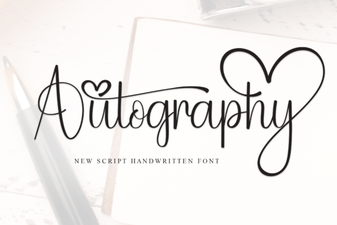 Autography Font: Elegant Handwritten Typography
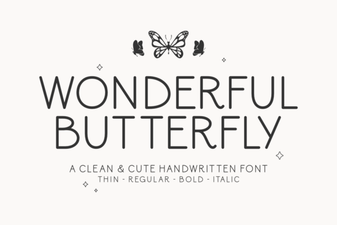 Wonderful Butterfly Font: Elegant Design Inspiration
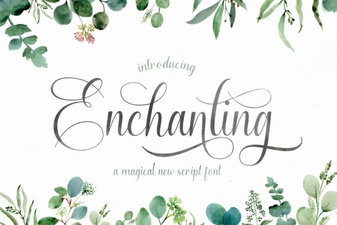 Enchanting Script Font for Elegant Design Projects
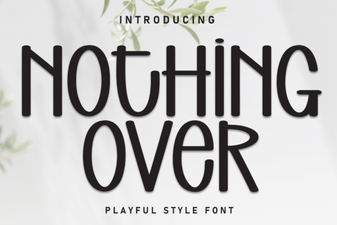 Nothing Font Guide: Design, Usability, and Projects
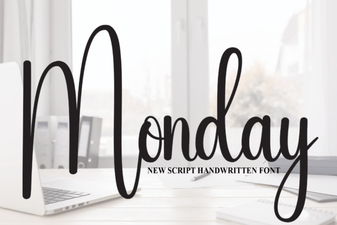 Monday Font: Clean Design, Usability & Creative Projects
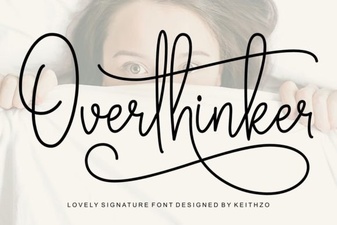 Overthinker Font: Creative Typography & Project Ideas