Finding a typeface that balances romantic elegance with a fresh, modern feel can take hours of browsing. Lemon and Orange was designed to fill that exact gap, offering a zesty serif style that works well across print and digital projects. Whether you are preparing wedding stationery, designing a clothing label, or crafting a greeting card, this font brings together classic structure and playful decorative details. It gives you swashes, alternate characters, and ligatures that let you adjust the spacing and flow to match your layout needs.
How does this typeface handle different creative layouts?
One of the most common challenges for designers and crafters is finding a single font that works for both headlines and supporting text. This family leans heavily into display styling, which means it shines in larger sizes where delicate curves and heart swashes remain visible. The italic and alternate forms add flexibility, letting you mix letter shapes without breaking the overall rhythm. If you usually work with serif styles that carry a cheerful tone, you will notice how warm, rounded terminals give each word a softer presence. Built-in ligatures also prevent awkward spacing when placing short titles side by side.
What types of projects fit this design style best?
Because it blends romantic flourishes with clean structural lines, this typeface adapts easily to multiple niches. Print-on-demand sellers often use it for quotation tees and tote bags, where a short phrase needs visual impact. Wedding planners and stationery makers rely on the same swashes for invitations and place cards. The multilingual character set makes it safe for international packaging, perfume labels, and boutique product boxes. You can pair it with simpler body fonts to keep descriptions readable while letting the display style carry the main message.
If you are looking for similar options that share a vintage yet modern feel, exploring classic serif collections can help you build a consistent brand palette. Each type family brings its own spacing rules, so testing them in mockups before finalizing a layout saves printing costs. For makers who want to keep branding cohesive, swapping decorative elements between projects creates a recognizable visual identity.
Why should you test ligatures and alternates before finalizing?
Decorative fonts often look best when you adjust their built-in character variations. Many beginners stick to default typing, which can make words feel uneven or leave awkward gaps between tall and short letters. Enabling stylistic alternates changes how characters connect, smoothing transitions and giving the text a polished look. This step matters most when designing book covers, magazine headers, and card fronts, where readers notice every curve.
For hobbyists and small business owners, keeping a separate file with your favorite alternate combinations makes revisions faster. You can quickly swap a standard character for a swash version or adjust the baseline to fit your layout perfectly. Testing these options on screen and printing a small draft ensures the ink spreads correctly and decorative tails do not blur on fabric. You can preview how Lemon and Orange Font performs in your workflow before committing to a print run.
Quick steps to prepare your files for printing
Before sending your design to a printer or uploading it to a merch platform, follow this short checklist to avoid common layout issues:
- Convert all text to outlines to preserve decorative swashes and ligatures.
- Check line spacing on your actual product mockup, as display fonts often need slightly more leading.
- Print a physical test on your exact material, since ink absorption changes how thin serifs appear.
- Keep a neutral backup font for long paragraphs to ensure readability on smaller screens.
- Save separate versions for different formats, adjusting the scale of alternates to match each canvas size.
Taking these small preparation steps helps your work look intentional. Start by placing a short headline on a blank canvas, cycle through the alternate characters, and lock in the version that matches your brand tone. Once you find the right spacing, the rest of the layout falls into place. You can explore the full serif variant details here to confirm licensing terms for commercial merchandise and finalize your project files.
Get Started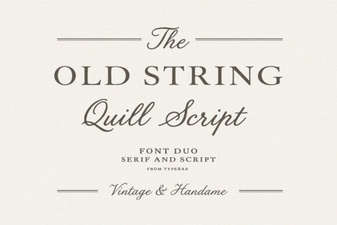 Old String Font: Creative Design & Project Ideas
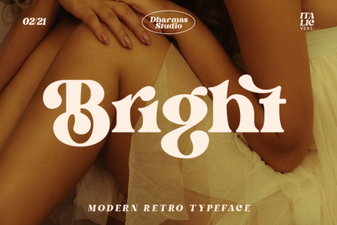 Bright Font: Design Tips for Creative Web Projects
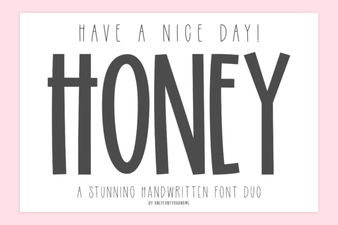 Have a Nice Day Honey Font Design Inspiration
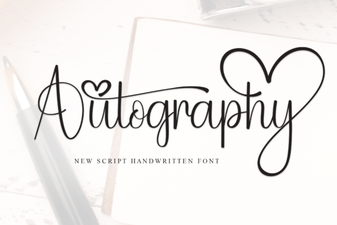 Autography Font: Elegant Handwritten Typography
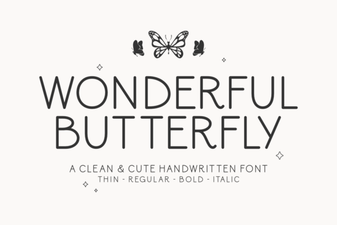 Wonderful Butterfly Font: Elegant Design Inspiration
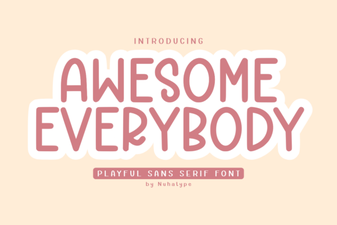 Awesome Everybody Font: Design Tips and Project Ideas